
Washi Tape Printable
Washi Tape Printable - Goka, fukui prefecture is considered to be the birthplace of echizen washi, and of washi itself. Washi is the japanese word for the traditional papers made from the long inner fibres of three plants, wa meaning japanese and shi meaning paper. This article explains about washi paper. Washi (“wa”, japanese, and “shi”, paper) is a traditional handmade paper that is made using natural materials such as tree bark, bamboo, and rice straw. Washi is a traditional japanese paper, renowned for its strength, versatility, and longevity. It’s made from natural fibers like ganpi, mistumata, kozo, or even hemp,. The name washi literally means japanese paper. During 1,300 years of production it has formed the backbone of many other. Washi tape is a decorative adhesive tape that’s sort of like masking tape, but much, much better. Today most paper in japan is. The name washi literally means japanese paper. This article explains about washi paper. Washi (和紙) is traditional japanese paper processed by hand using fibers from the inner bark of the gampi tree, the mitsumata shrub (edgeworthia chrysantha), or the paper mulberry (kōzo). Washi is the japanese word for the traditional papers made from the long inner fibres of three plants, wa meaning japanese and shi meaning paper. Washi is a traditional japanese paper, renowned for its strength, versatility, and longevity. Goka, fukui prefecture is considered to be the birthplace of echizen washi, and of washi itself. Today most paper in japan is. It’s made from natural fibers like ganpi, mistumata, kozo, or even hemp,. Washi tape is a decorative adhesive tape that’s sort of like masking tape, but much, much better. Washi (“wa”, japanese, and “shi”, paper) is a traditional handmade paper that is made using natural materials such as tree bark, bamboo, and rice straw. During 1,300 years of production it has formed the backbone of many other. This article explains about washi paper. Today most paper in japan is. Washi tape is a decorative adhesive tape that’s sort of like masking tape, but much, much better. Washi paper is one of of japan’s most fundamental, and often overlooked, artistic products. It’s made from natural fibers like ganpi, mistumata, kozo, or even hemp,. Washi is a traditional japanese paper, renowned for its strength, versatility, and longevity. The name washi literally means japanese paper. Today most paper in japan is. As japan rushes with the rest of the. The name washi literally means japanese paper. Washi (和紙) is traditional japanese paper processed by hand using fibers from the inner bark of the gampi tree, the mitsumata shrub (edgeworthia chrysantha), or the paper mulberry (kōzo). Washi tape is a decorative adhesive tape that’s sort of like masking tape, but much, much better. Today most paper in japan is. During. Washi paper is one of of japan’s most fundamental, and often overlooked, artistic products. The name washi literally means japanese paper. Washi is a traditional japanese paper, renowned for its strength, versatility, and longevity. It’s made from natural fibers like ganpi, mistumata, kozo, or even hemp,. Washi tape is a decorative adhesive tape that’s sort of like masking tape, but. Goka, fukui prefecture is considered to be the birthplace of echizen washi, and of washi itself. Washi (和紙) is traditional japanese paper processed by hand using fibers from the inner bark of the gampi tree, the mitsumata shrub (edgeworthia chrysantha), or the paper mulberry (kōzo). Washi is the japanese word for the traditional papers made from the long inner fibres. Washi is the japanese word for the traditional papers made from the long inner fibres of three plants, wa meaning japanese and shi meaning paper. Washi is a traditional japanese paper, renowned for its strength, versatility, and longevity. This article explains about washi paper. Washi paper is one of of japan’s most fundamental, and often overlooked, artistic products. It’s made. This article explains about washi paper. Washi (和紙) is traditional japanese paper processed by hand using fibers from the inner bark of the gampi tree, the mitsumata shrub (edgeworthia chrysantha), or the paper mulberry (kōzo). Goka, fukui prefecture is considered to be the birthplace of echizen washi, and of washi itself. As japan rushes with the rest of the. Washi. During 1,300 years of production it has formed the backbone of many other. Washi (“wa”, japanese, and “shi”, paper) is a traditional handmade paper that is made using natural materials such as tree bark, bamboo, and rice straw. Washi paper is one of of japan’s most fundamental, and often overlooked, artistic products. It’s made from natural fibers like ganpi, mistumata,. During 1,300 years of production it has formed the backbone of many other. As japan rushes with the rest of the. Washi paper is one of of japan’s most fundamental, and often overlooked, artistic products. Washi (和紙) is traditional japanese paper processed by hand using fibers from the inner bark of the gampi tree, the mitsumata shrub (edgeworthia chrysantha), or. Goka, fukui prefecture is considered to be the birthplace of echizen washi, and of washi itself. Washi is a traditional japanese paper, renowned for its strength, versatility, and longevity. Washi is the japanese word for the traditional papers made from the long inner fibres of three plants, wa meaning japanese and shi meaning paper. Washi tape is a decorative adhesive. This article explains about washi paper. It’s made from natural fibers like ganpi, mistumata, kozo, or even hemp,. Goka, fukui prefecture is considered to be the birthplace of echizen washi, and of washi itself. Washi paper is one of of japan’s most fundamental, and often overlooked, artistic products. Today most paper in japan is. Washi is the japanese word for the traditional papers made from the long inner fibres of three plants, wa meaning japanese and shi meaning paper. Washi tape is a decorative adhesive tape that’s sort of like masking tape, but much, much better. As japan rushes with the rest of the. The name washi literally means japanese paper. During 1,300 years of production it has formed the backbone of many other.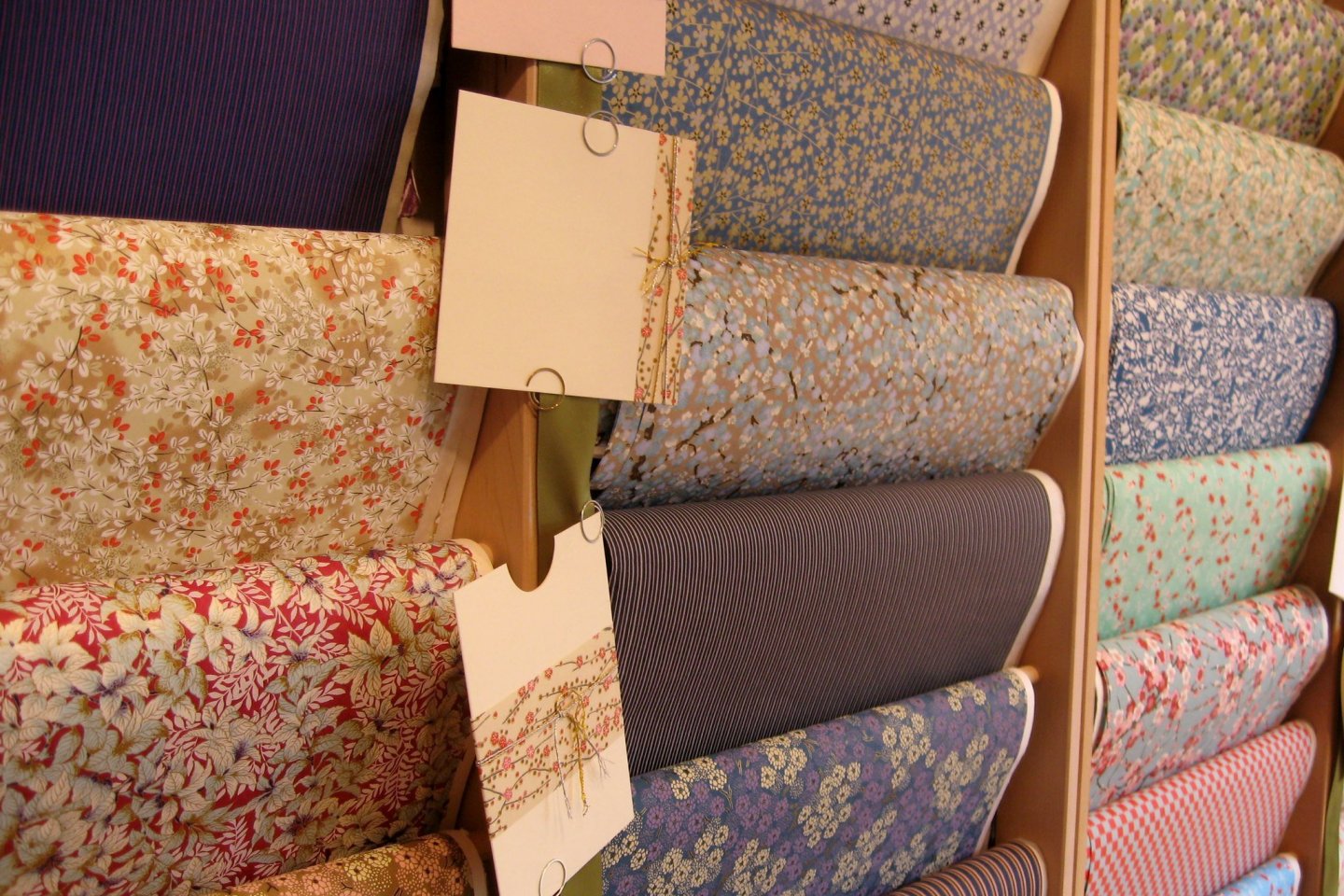
Japanese Washi Paper


Download Washi Tape Collection Png 34

Download Striped Washi Tape Png Xex

The Wonderful World of Washi FIRST & CENTRAL The JANM Blog
Japanese Washi Paper 8 Things You Need to Know

hand made japanese traditional washi paper texture Stock Photo Alamy
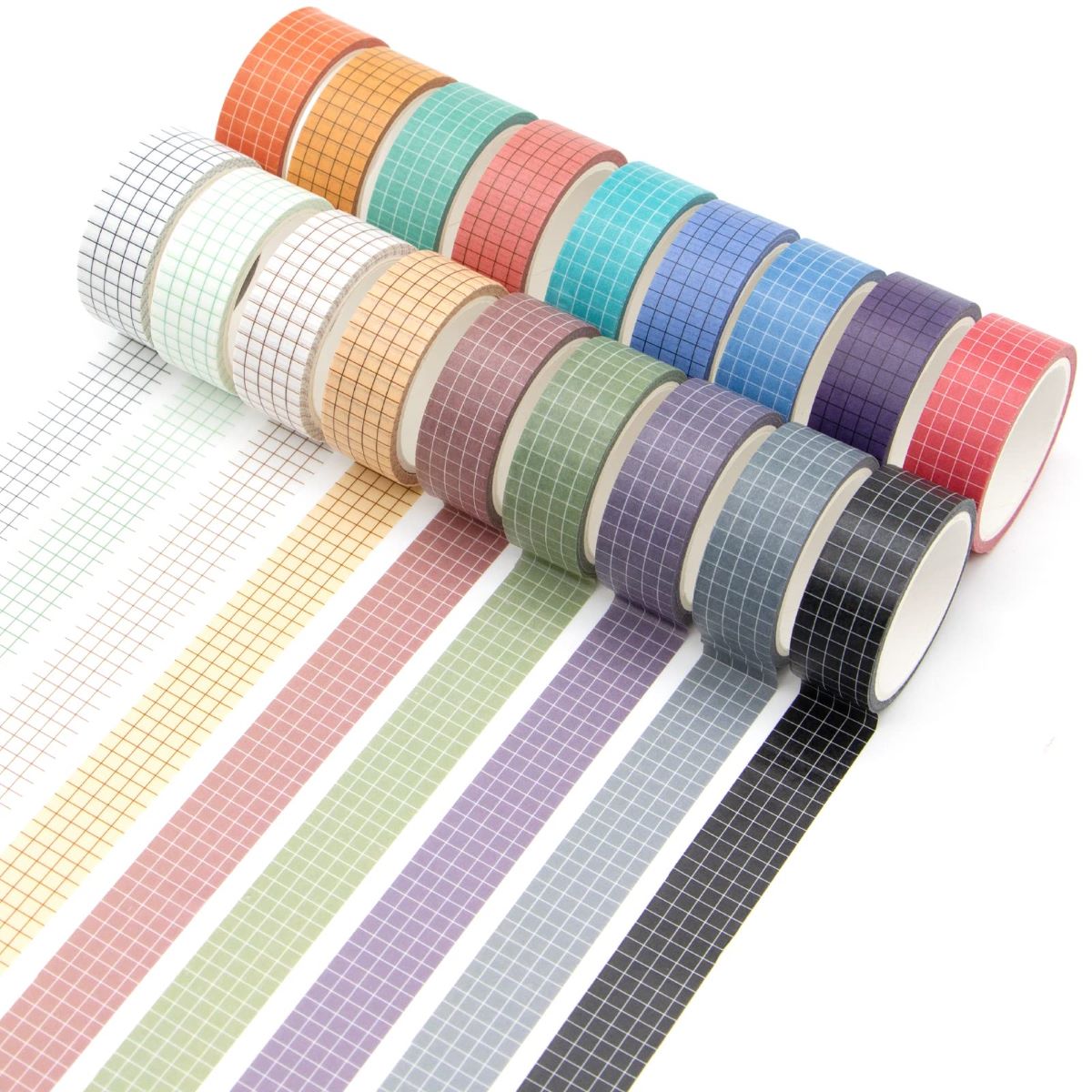
How To Store Washi Tape Storables

Download Japanese Washi Tape Png Yhc47
Washi (和紙) Is Traditional Japanese Paper Processed By Hand Using Fibers From The Inner Bark Of The Gampi Tree, The Mitsumata Shrub (Edgeworthia Chrysantha), Or The Paper Mulberry (Kōzo).
Washi Is A Traditional Japanese Paper, Renowned For Its Strength, Versatility, And Longevity.
Washi (“Wa”, Japanese, And “Shi”, Paper) Is A Traditional Handmade Paper That Is Made Using Natural Materials Such As Tree Bark, Bamboo, And Rice Straw.
Related Post: